General Contracting
Contractor Took My Deposit and Disappeared: How to Protect Yourself in 2026

Work Time Service
April 16, 2026
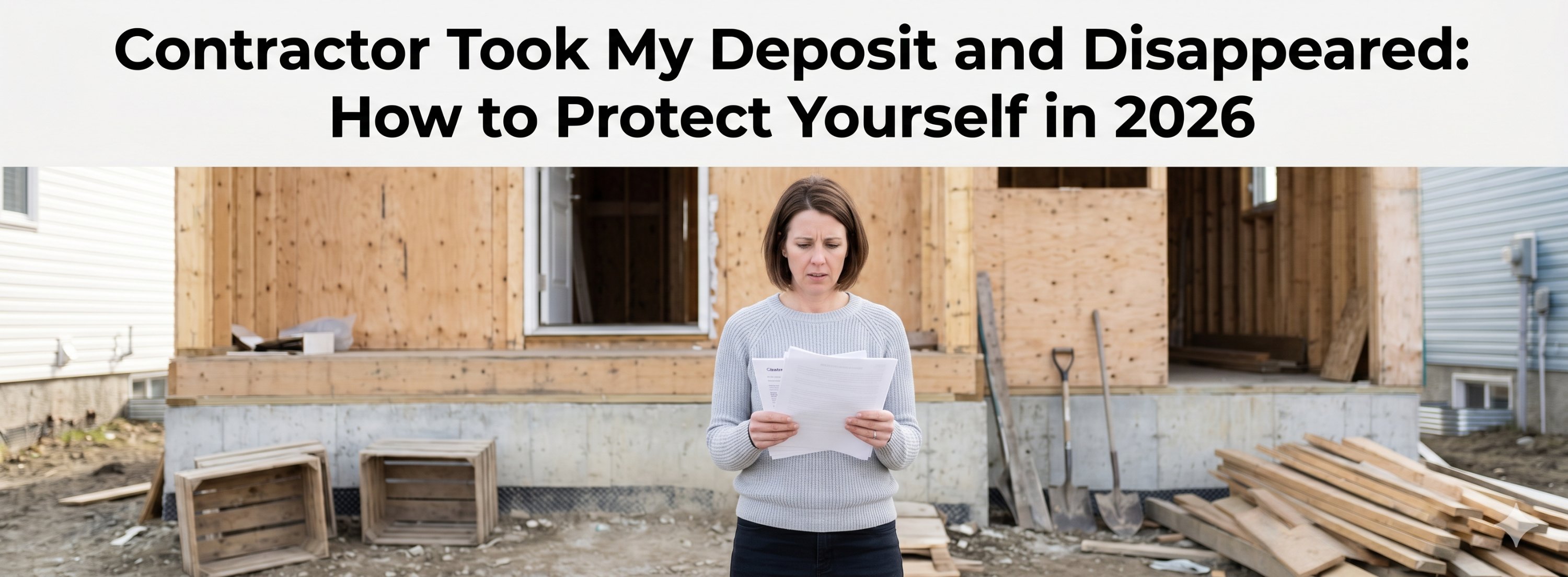
It's one of the most common — and most painful — homeowner stories. You hire a contractor for a renovation. They seem professional, the price is reasonable, you sign a contract. They ask for a deposit to "buy materials." You pay. Then... nothing. Calls go unanswered. They never show up. Your money is gone.
This scam costs American homeowners over $200 million every year. Here's how to avoid being a victim.
How the scam works
The pattern is almost always the same:
1. Friendly contractor offers a "great deal"
2. Pressure to sign quickly before the price goes up
3. Large upfront deposit — often 40-60%
4. They show up once or twice for show
5. They disappear with the money
The contractor often isn't even using their real name. By the time you realize what happened, they've moved to the next victim.
5 ways to protect yourself
1. Verify the license — every time
Don't trust a license number on a business card. Look it up directly on your state's contractor board website. In Washington, that's the Department of Labor & Industries. Make sure the license is active, in good standing, and matches the company name on your contract.
2. Never pay more than 25% upfront
Most states cap how much a contractor can collect before work begins. In Washington it's $1,000 or 25% — whichever is less. If they ask for more, that's illegal and a major red flag. Always tie payments to milestones (e.g., 10% deposit, 30% when materials arrive, 30% at midpoint, 30% at completion).
3. Pay by credit card or check — never cash
Cash leaves no trail. If you pay by credit card, you can dispute the charge. If by check, you have proof. Cash-only contractors are running scams 90% of the time.
4. Get everything in writing
A real contract should include:
- Full legal name and license number
- Detailed scope of work
- Materials list with brand names
- Start and completion dates
- Payment schedule tied to milestones
- Cancellation terms
- Warranty information
If they refuse to put it in writing, walk away.
5. Verify they're insured
Ask for a certificate of insurance and call the insurance company to confirm it's active. If the contractor damages your property and isn't insured, you're stuck with the bill.
What to do if it already happened
1. File a complaint with your state contractor board
2. Report to your state attorney general's consumer protection office
3. File a police report — it's a crime
4. Dispute the charge with your credit card company if you paid that way
5. Talk to a lawyer about small claims court
The best protection is prevention
Use a verified contractor directory where every professional has been vetted. WorkTime Alliance only lists contractors with verified licenses, real project history, and transparent reviews. You can see how many projects they've completed, average response time, and read what other homeowners say.
Browse verified contractors at app.worktimealliance.com/pro
Are you a contractor?
Companies on WorkTime CRM can get a verified profile in this directory and receive homeowner requests straight into their pipeline.
Start your free month →